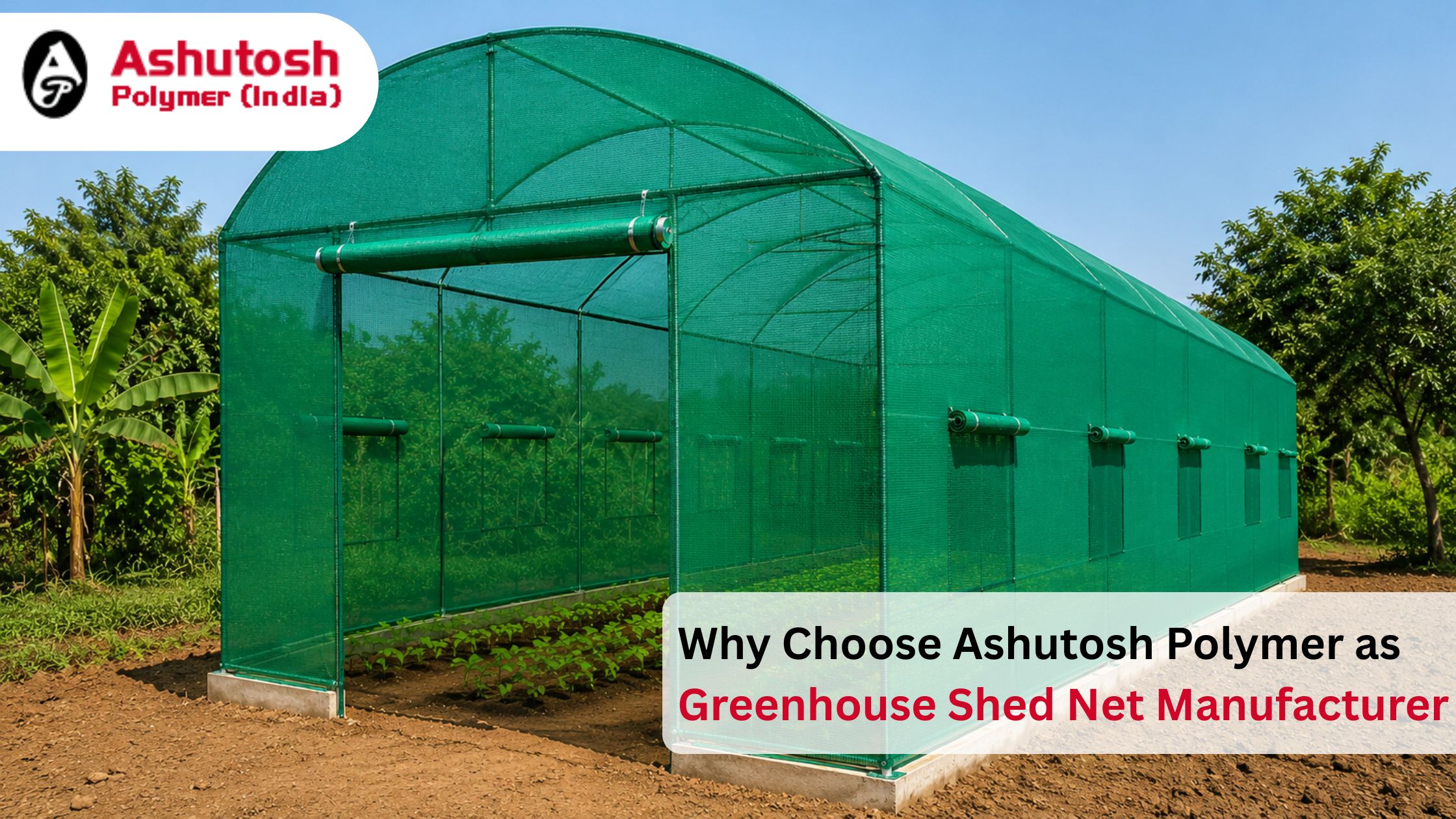

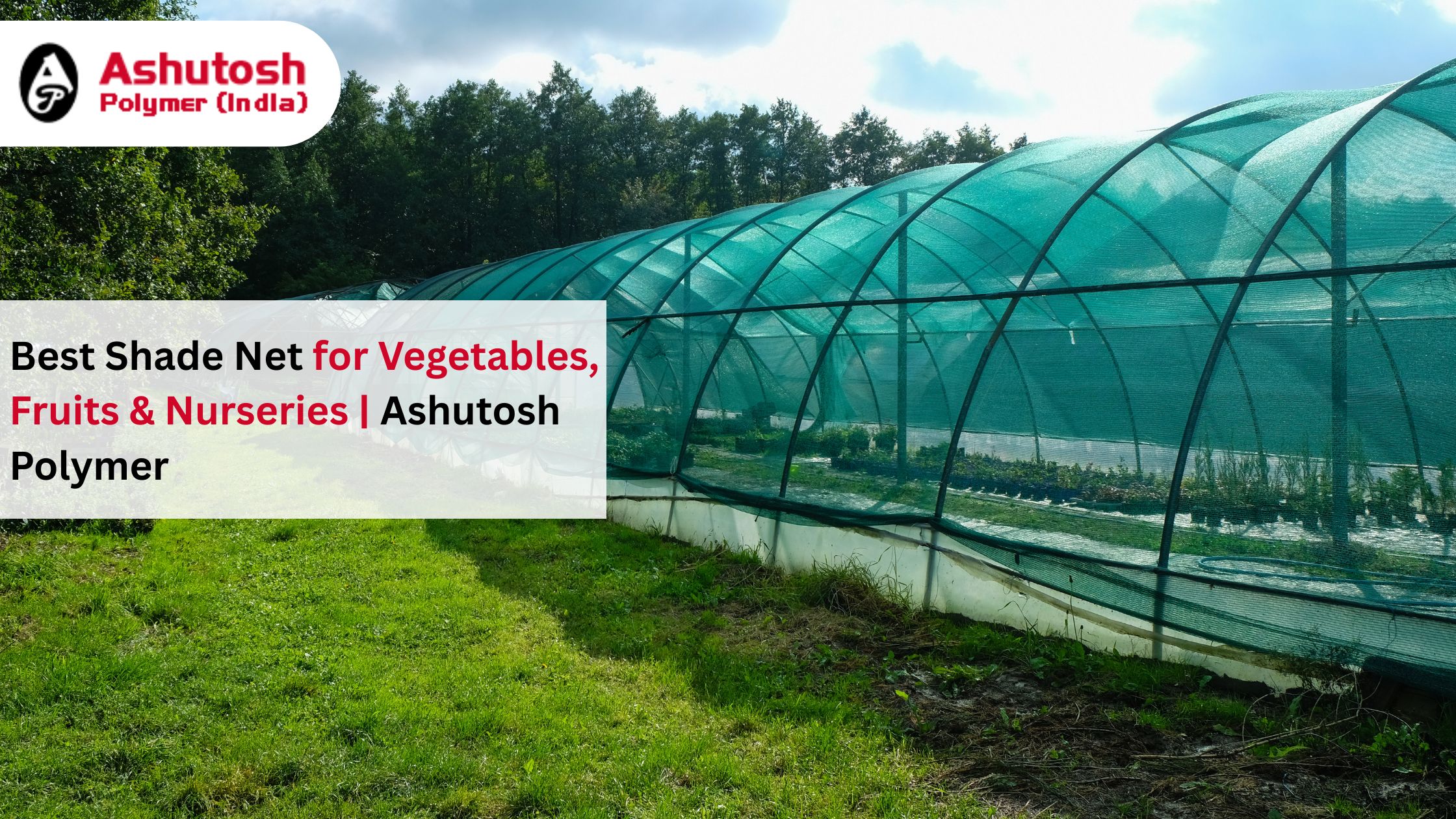
Best Shade Net for Vegetables, Fruits & Nurseries | Ashutosh Polymers
Modern farming is no longer dependent only on seasons and rainfall. With rising temperatures, unpredictable weather, and increasing crop stress, shade nets have become an essential solution for vegetable growers, fruit farmers, and nursery owners. Choosing the right agricultural shade net helps protect crops, improve yield quality, and ensure healthy plant growth throughout the year.
This guide explains everything you need to know about selecting the best shade net for vegetables, fruits, and nurseries, including shade percentage, color selection, and long-term benefits.
What Is a Shade Net & How Does It Work?
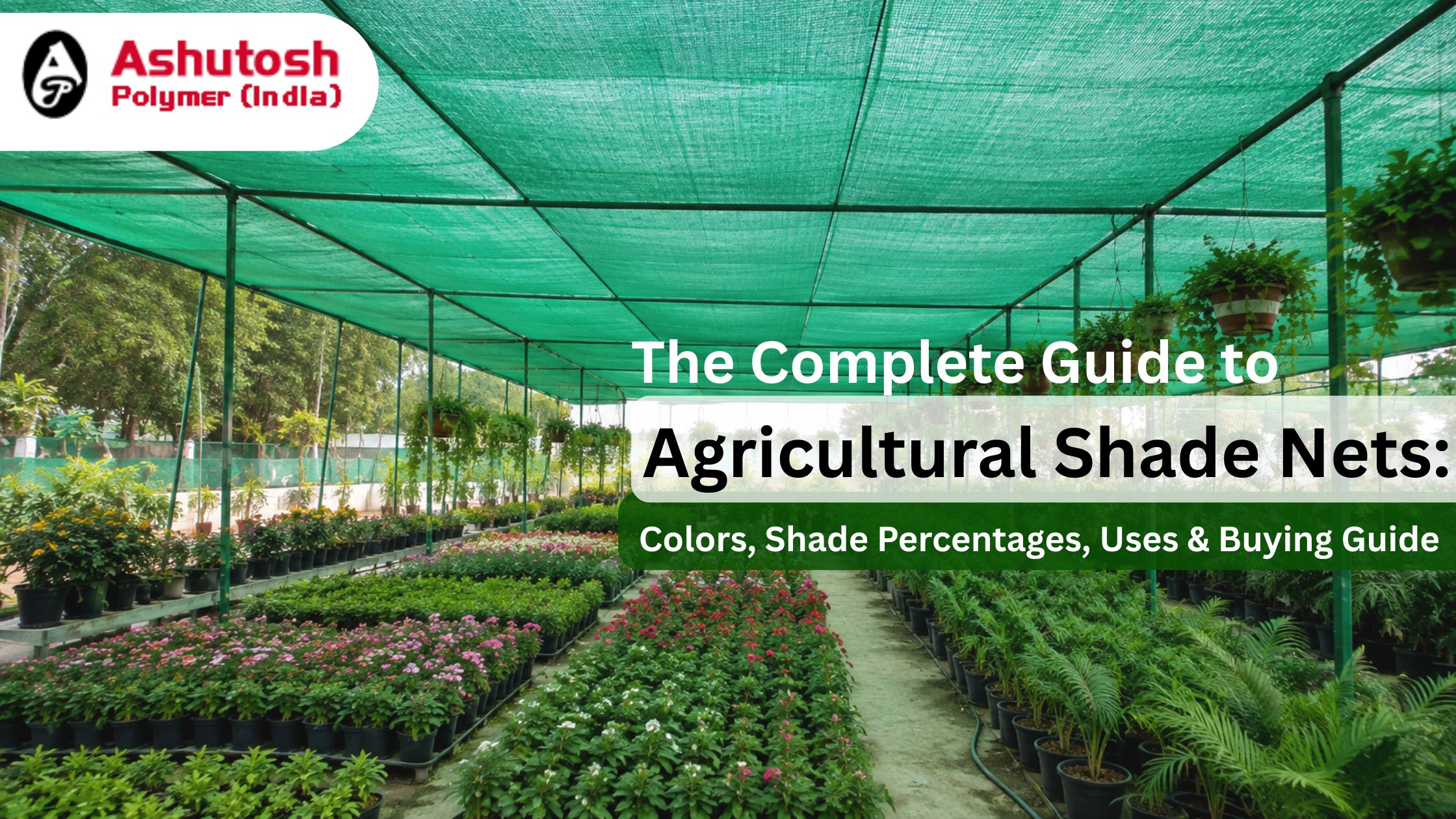
A shade net is a woven or knitted fabric made from UV-stabilized HDPE material. It works by filtering sunlight and reducing heat intensity while allowing sufficient air circulation and moisture retention.
In shade net farming, crops receive controlled light exposure, which results in:
- Balanced photosynthesis
- Reduced water evaporation
- Lower plant stress
This makes shade nets ideal for vegetables, fruit plantations, and nursery propagation.
Benefits of Using Shade Nets for Vegetables, Fruits & Nurseries
Using high-quality agro shade nets offers multiple advantages:
- Protects crops from extreme sunlight and UV rays
- Maintains uniform temperature under the net
- Improves crop quality and yield consistency
- Reduces water consumption
- Minimizes damage from wind, birds, and pests
- Enhances seed germination and seedling survival in nurseries
For long-term cultivation, investing in a durable agricultural shade net directly impacts farm profitability.
Best Shade Net Percentage for Different Crops
Choosing the correct shade percentage is critical for plant health.
- 35% Shade Net
Best for leafy vegetables like spinach, coriander, and lettuce - 50% Shade Net
Ideal for tomatoes, chilies, capsicum, cucumber, and creepers - 75% Shade Net
Recommended for nurseries, saplings, and ornamental plants - 90% Shade Net
Suitable for shade-loving plants and tissue culture units
Selecting the right percentage ensures plants get enough light without overheating.
Choosing the Right Shade Net Color
Color plays an important role in light diffusion and heat control.
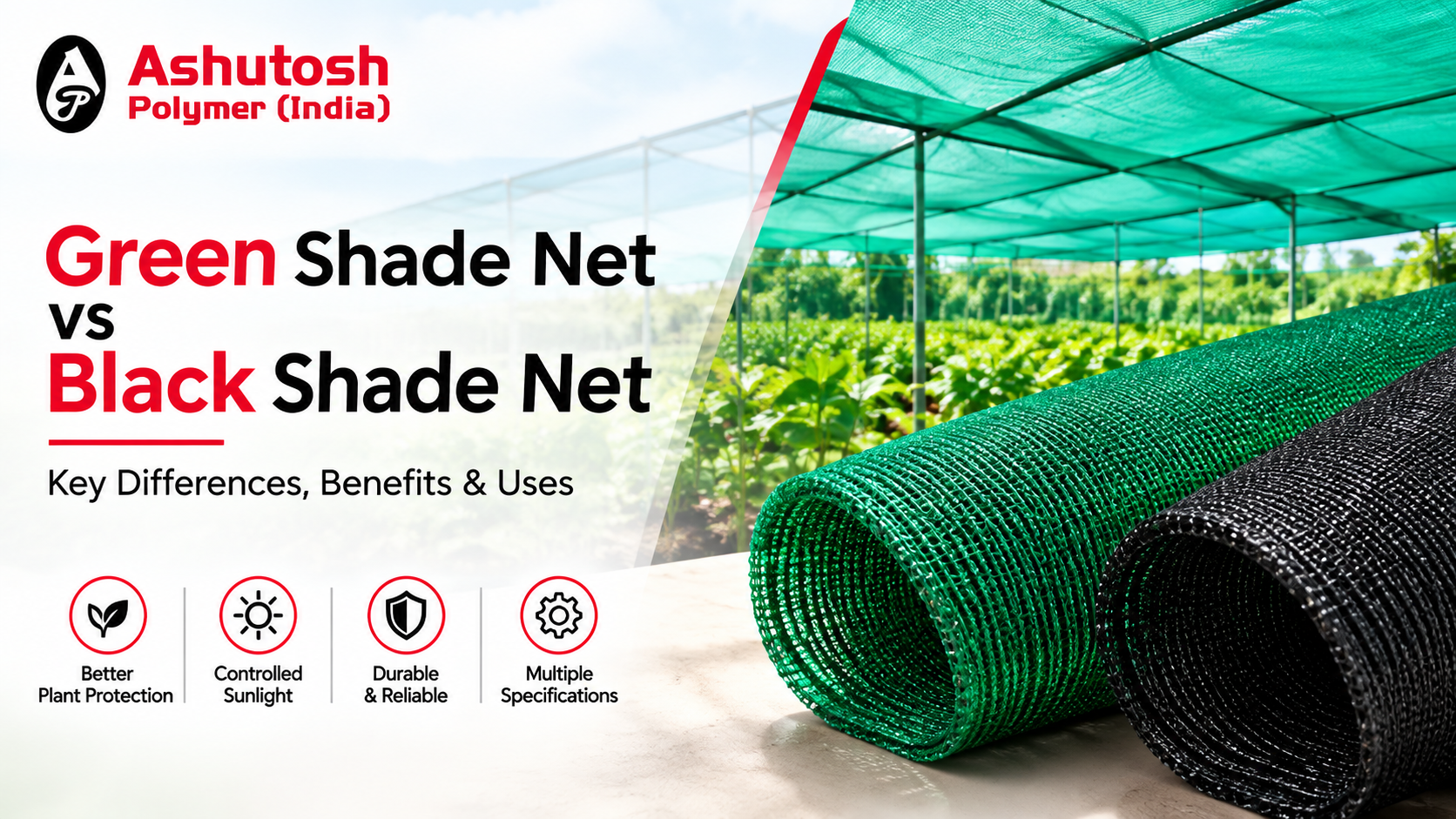
- Green Shade Net
Most commonly used for vegetable farming and nurseries - Black Shade Net
Provides strong UV protection and heat reduction - White Shade Net
Offers balanced light reflection and temperature control
Among these, green shade net is widely preferred for vegetables due to its natural light diffusion properties.
Best Shade Nets for Vegetables
Vegetables respond well to controlled sunlight. The best shade net for vegetables depends on the crop type:
- Leafy vegetables: 35% green shade net
- Fruiting vegetables: 50% green or black shade net
- Climbers: 50% shade net with proper ventilation
Using the correct shade netting for vegetables improves color, size, and market value.
Best Shade Nets for Fruit Plants
Fruit plants, especially in their early growth stage, benefit greatly from shade nets.
- Banana, papaya, and pomegranate saplings require 50–75% shade
- Young fruit plants show better root development
- Reduced sunburn on fruits improves appearance and shelf life
Shade nets help stabilize growth during extreme summer and winter conditions.
Best Shade Nets for Nurseries & Plant Propagation
Nurseries require a controlled environment for seed germination and plant development.
A nursery shade net:
- Improves germination rates
- Protects seedlings from heat stress
- Reduces transplant shock
- Ensures uniform growth
Most nurseries use 75% or 90% shade nets depending on plant type.
How to Choose the Best Shade Net for Your Farm or Nursery
Before purchasing, consider:
- Crop type and growth stage
- Required shade percentage
- Shade net color
- UV stabilization quality
- GSM and durability
- Local climate conditions
Working with a reliable agro shade net manufacturer ensures you receive long-lasting and tested products.
Installation & Maintenance Tips for Long Life
- Install shade nets with proper tension
- Ensure strong support structures
- Clean periodically to avoid dust buildup
- Store properly during off-season
With correct maintenance, quality shade nets last several years.
Common Mistakes to Avoid While Using Shade Nets
- Choosing incorrect shade percentage
- Poor installation causing sagging
- Ignoring ventilation
- Buying low-quality non-UV stabilized nets
Avoiding these mistakes helps maximize crop performance.
Why Quality Shade Nets Matter for Long-Term Farming Success
Low-quality nets degrade quickly under sunlight, leading to frequent replacements and crop losses. High-quality agro shade nets provide consistent protection, better yield, and long-term cost savings.
Why Farmers & Nurseries Trust Ashutosh Polymer for Shade Nets
When it comes to reliable and durable shade net solutions, Ashutosh Polymer is a trusted name in the agricultural sector. As an experienced agro shade net manufacturer, the company offers UV-stabilized HDPE shade nets in multiple colors and shade percentages suitable for vegetables, fruits, and nursery applications. Known for -
- consistent quality
- weather resistance
- long service life
Ashutosh Polymer shade nets support farmers and nursery owners in achieving better productivity and crop protection under Indian farming conditions.
Contact us today for expert shade net solutions or reach us instantly on WhatsApp.
Conclusion
Choosing the right shade net is essential for successful vegetable farming, fruit cultivation, and nursery management. By selecting the correct shade percentage, color, and material quality, farmers can protect crops, improve yield, and ensure long-term sustainability. Investing in trusted manufacturers like Ashutosh Polymer ensures reliable performance and better farming outcomes.
Looking for the right shade net solution for your farm or nursery? Contact Ashutosh Polymer today to get expert guidance, quality products, and customized shade net solutions that meet your agricultural needs.