
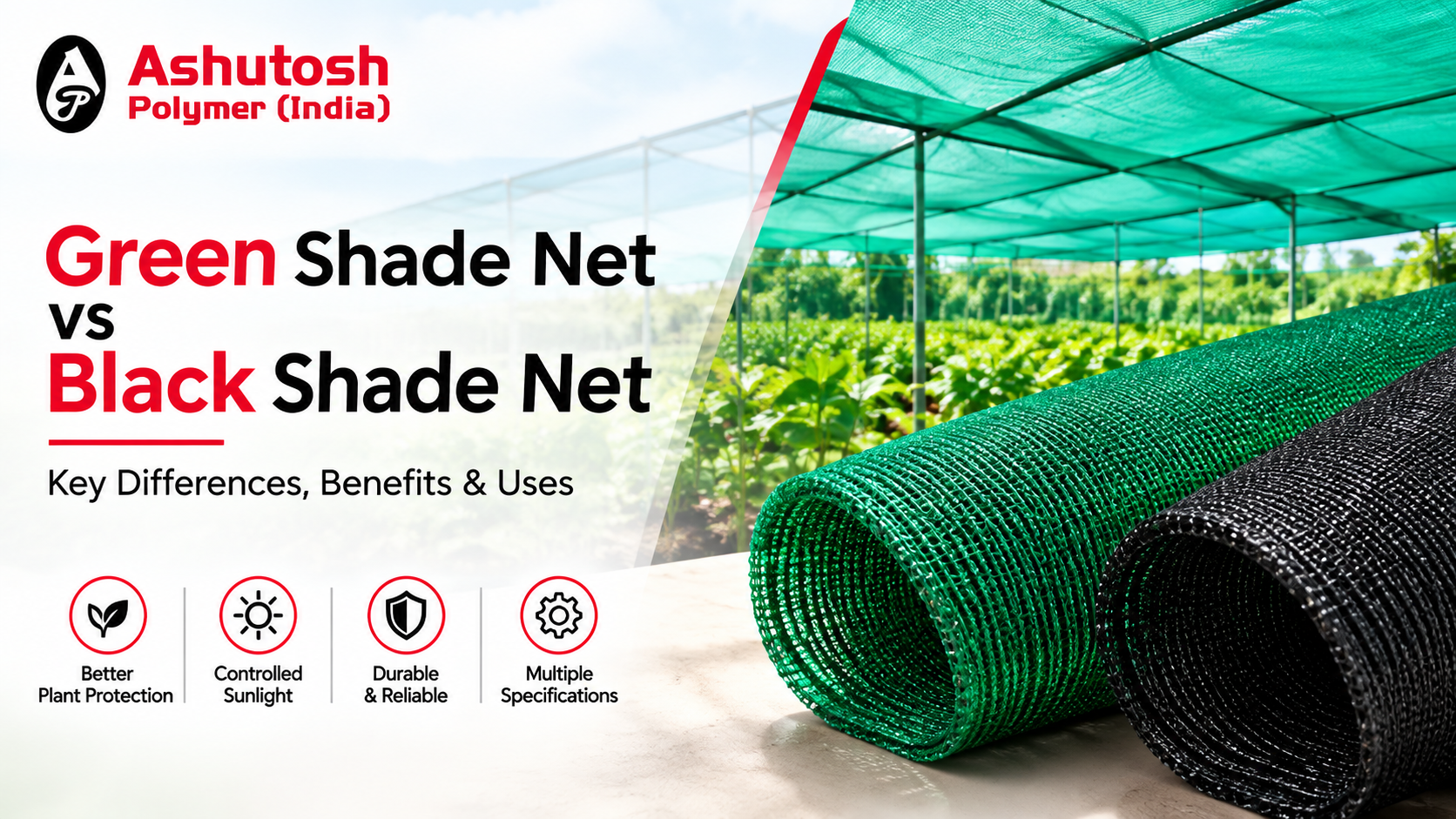
Green Shade Net vs Black Shade Net: Key Differences, Benefits & Uses
When choosing a shade net for agriculture, nurseries, gardening, or outdoor applications, color is often one of the first things buyers notice. Green and black shade nets are both widely used, but the right choice depends on the required level of shade, application, GSM, installation conditions, and the type of area being covered.
For buyers comparing a green shade net vs black shade net, understanding these factors can make product selection easier. Ashutosh Polymer offers shade net options designed for different shading requirements, including multiple shade percentages and GSM-wise product options.
What Is a Shade Net and Why Is It Used?
A shade net is a mesh material used to reduce direct sunlight reaching a covered area. It can be used in agricultural fields, nurseries, greenhouses, gardens, and other outdoor spaces where controlled shading is required.
The amount of shade depends on the specification of the net. For example, 50%, 70%, and 90% shade nets provide different levels of sunlight reduction and can be selected according to the application.
A shade net can also help create a more controlled environment for plants by reducing exposure to intense direct sunlight. However, the appropriate shade percentage should be selected according to the crop, plant, location, and growing conditions rather than choosing a product based only on color.
Green Shade Net from Ashutosh Polymer
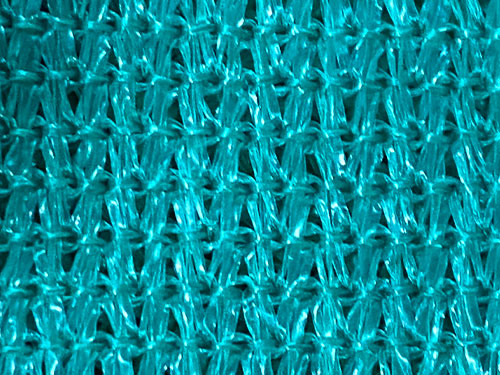
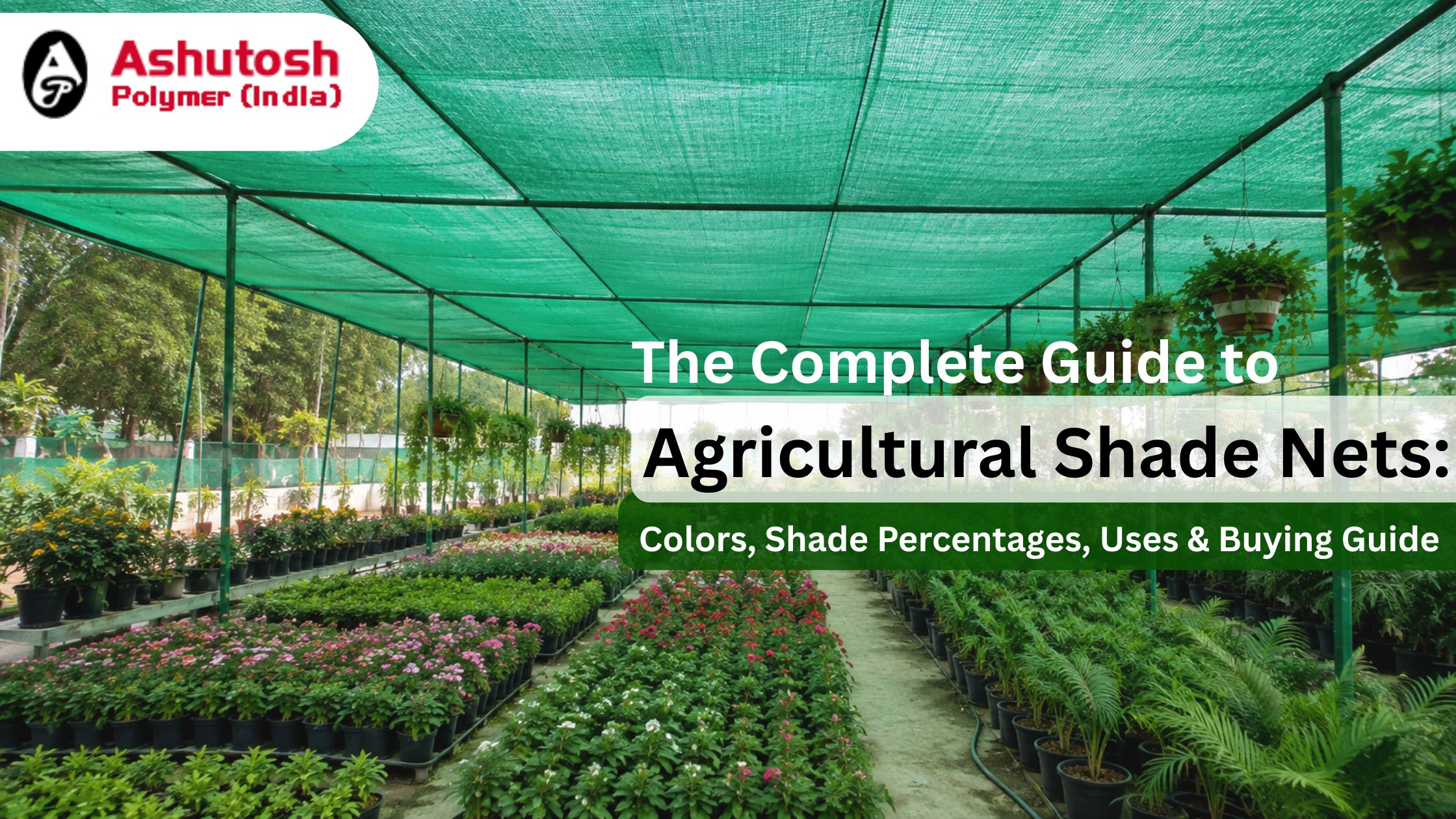
A green shade net is commonly considered for agricultural, horticultural, nursery, and gardening applications. Its green appearance can also blend naturally with plant environments, making it suitable for areas where visual integration with greenery is preferred.
Ashutosh Polymer provides green shade net options that can be considered according to required shade percentage and product specifications. Buyers can evaluate the available GSM and shade level based on their intended use.
Common applications include:
- Plant nurseries
- Agriculture and horticulture
- Greenhouses
- Home and commercial gardens
- Outdoor shading
- Areas requiring controlled sunlight
When selecting a green shade net, it is useful to consider shade percentage, GSM, dimensions, installation requirements, and the intended application.
Black Shade Net from Ashutosh Polymer
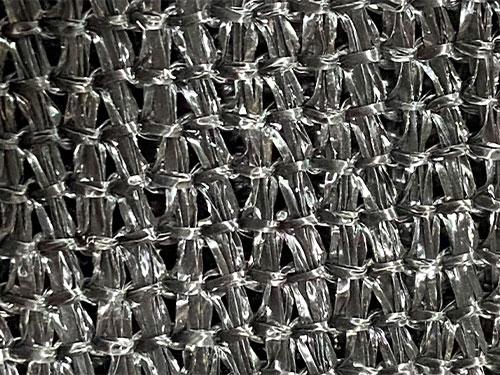
Black shade netting is another commonly selected option for applications requiring controlled sunlight and shading. Like green shade nets, black nets are available in different specifications, so the color alone does not determine the level of shade.
Ashutosh Polymer's black shade net options can be evaluated based on the required shade percentage, GSM, coverage area, and application.
Black shade nets may be used for:
- Agricultural applications
- Nurseries
- Greenhouses
- Gardening
- Outdoor areas
- Shade structures
For buyers comparing black and green products, looking at the complete product specification is more useful than considering color in isolation.
Green Shade Net vs Black Shade Net: Key Differences
The main difference between green and black shade nets is their color and visual appearance. Their actual suitability depends on the product's construction, shade percentage, GSM, and intended application.
|
Factor |
Green Shade Net |
Black Shade Net |
|
Color |
Green |
Black |
|
Common applications |
Agriculture, nurseries, gardens |
Agriculture, nurseries, outdoor areas |
|
Shade options |
Based on product specification |
Based on product specification |
|
GSM |
Select according to requirement |
Select according to requirement |
|
Appearance |
Blends well with green surroundings |
Neutral, darker appearance |
|
Selection basis |
Application + shade requirement |
Application + shade requirement |
Therefore, there is not one color that is automatically suitable for every situation. The right colour shade net should be selected according to the environment and technical requirements of the project.
Ashutosh Polymer Shade Net Options by Shade Percentage
One of the important specifications to consider is the shade percentage. Ashutosh Polymer's shade net range can be evaluated according to different shading requirements.
50% Shade Net
A 50% shade net provides moderate shading and can be considered for applications where plants or outdoor areas still require substantial sunlight while reducing direct exposure.
70% Shade Net
A 70% shade net provides a higher level of shading than a 50% option. It can be considered for applications where stronger sunlight control is required.
90% Shade Net
A 90% shade net is intended for applications requiring a high level of shade. It can be considered where significant sunlight reduction is part of the covering requirement.
The correct shade level should always be determined according to the specific application and plant or site requirements.
Choosing the Right Shade Net GSM
GSM stands for grams per square metre and indicates the weight of the material per unit area. GSM is an important specification when comparing shade nets because it provides information about the material's weight and construction.
However, GSM and shade percentage are different specifications. A buyer should consider both rather than using GSM alone to determine the right product.
Before selecting a shade net, check:
- Required shade percentage
- GSM specification
- Net dimensions
- Installation method
- Application
- Expected outdoor exposure
- Quantity required
Where Can Ashutosh Polymer Shade Nets Be Used?
Shade nets can be used across several agricultural and outdoor applications. Depending on the product specification, common applications include:
Agriculture: Shade nets can be used where controlled sunlight is required over cultivated areas.
Nurseries: They can be installed over nursery areas to provide a shaded environment for plants.
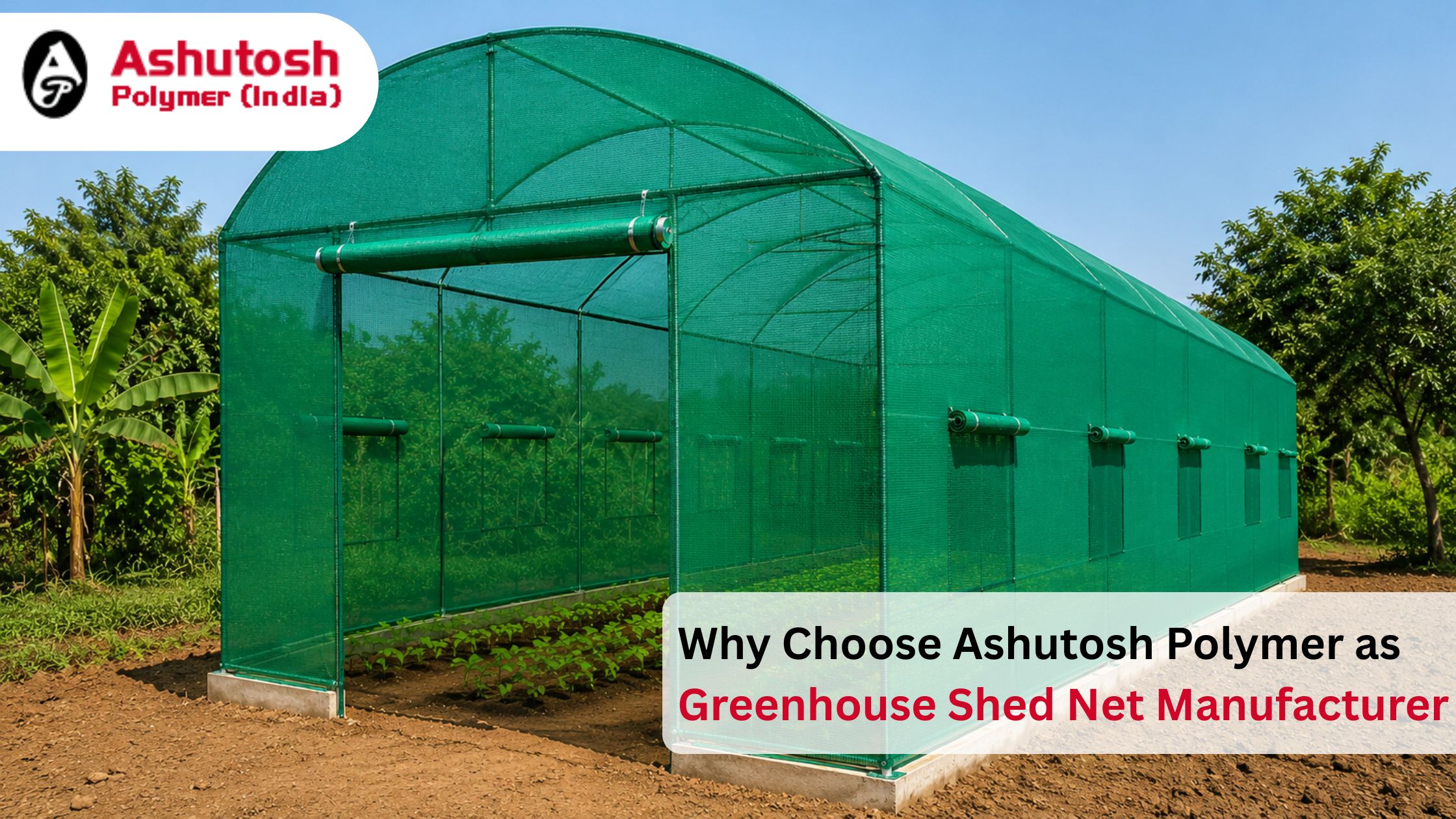
Greenhouses: Shade nets can be incorporated where additional sunlight management is required.
Gardening: Green and black nets can be considered for home gardens, landscaping, and plant-growing areas.
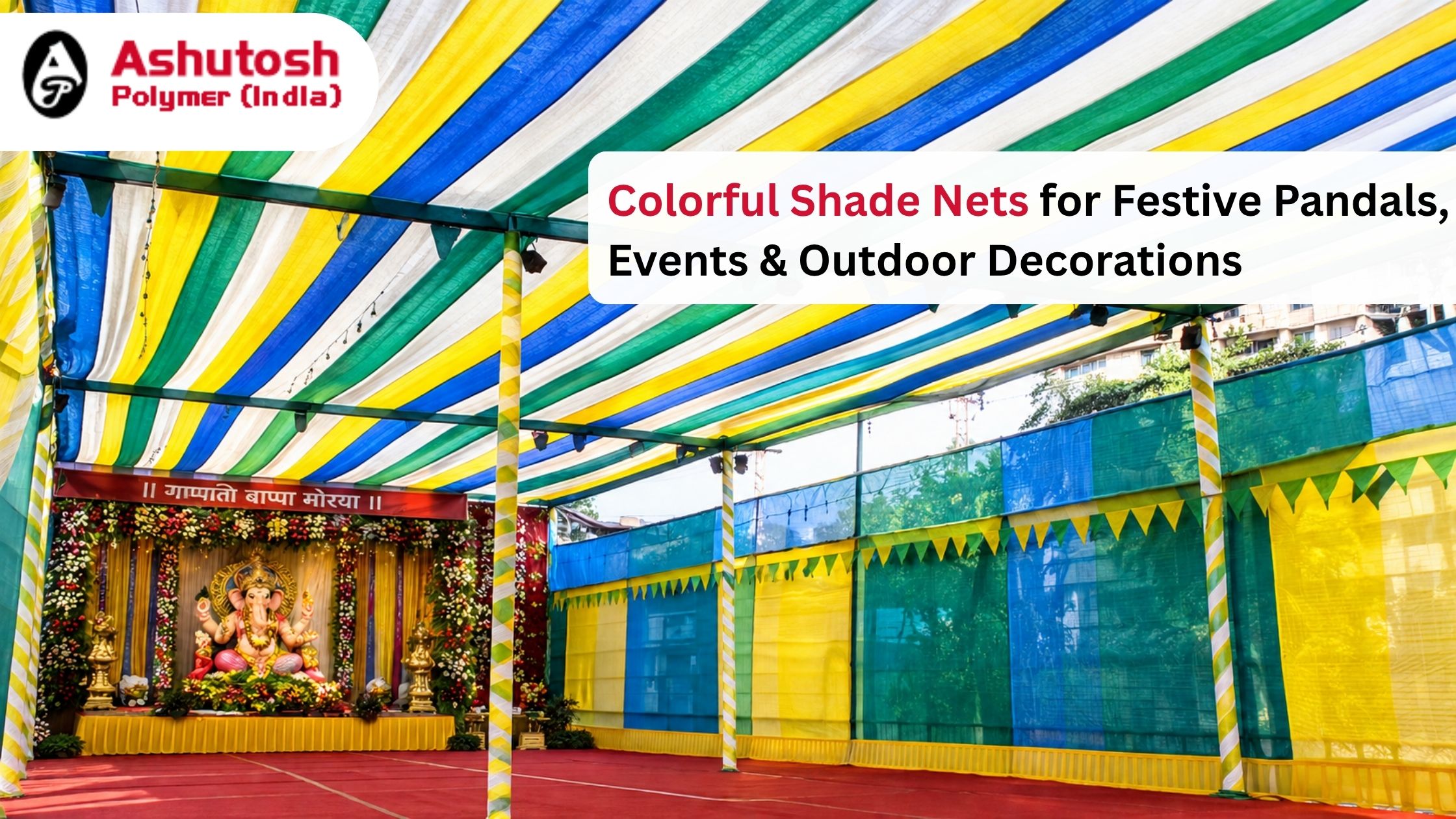
Outdoor shading: Shade nets can also be used in selected outdoor areas where sunlight reduction is required.
Green or Black Shade Net: How to Select the Right Option?
If you are deciding between a green shade net and a black shade net, start with the application rather than the color. Consider the following:
- Determine the required shade percentage.
- Identify the appropriate GSM.
- Measure the installation area.
- Consider the type of plants or application.
- Check the required color and appearance.
- Confirm dimensions and quantity before ordering.
This approach helps buyers choose a shade net according to actual project requirements.
Why Choose Shade Nets from Ashutosh Polymer?
Ashutosh Polymer provides shade net options for buyers looking for different shade percentages, GSM specifications, and color variants. The availability of options allows buyers to assess their requirements before selecting a suitable product.
For bulk agricultural, nursery, gardening, or outdoor requirements, buyers can discuss their required shade percentage, GSM, dimensions, color, and quantity with Ashutosh Polymer before placing an order.
How to Order Shade Nets from Ashutosh Polymer
Before contacting Ashutosh Polymer, keep your basic requirements ready, including:
- Shade percentage: 50%, 70%, or 90%
- Preferred color: green or black
- Required GSM
- Net dimensions
- Application
- Required quantity
Providing these details can make product selection and enquiry discussions more straightforward.
Contact Details:
Get A Quote - Visit Website
Whatsapp Link - wa.me/+918140187475
Manufacturing Unit - 22/B, Daman Industrial Estate, Somnath Road, U.T, Vapi-Kachigam Rd, Dabhel, Dadra and Nagar Haveli and Daman and Diu 396215, India
Conclusion
Choosing between a green shade net and black shade net depends on your application, required shade percentage, GSM, and installation conditions. Ashutosh Polymer offers shade net options in different specifications to meet varied agricultural, nursery, greenhouse, and outdoor shading requirements. Consider the right color, shade percentage, and GSM to select a suitable shade net for your project.
Frequently Asked Questions
Is green or black shade net better?
Neither color is universally suitable for every application. Selection should be based on shade percentage, GSM, application, installation conditions, and other project requirements.
What is the difference between green and black shade net?
The most visible difference is color and appearance. The practical selection should also consider the net's shade percentage, GSM, construction, and intended application.
What are 50%, 70% and 90% shade nets?
They represent different levels of shading. A 50% shade net provides moderate shade, 70% provides greater shade, and 90% is intended for applications requiring a high level of shade.
Does GSM affect shade net selection?
Yes. GSM indicates the material's weight per square metre and should be considered alongside shade percentage, dimensions, application, and installation requirements.
Where can shade nets be used?
Shade nets can be used for agriculture, nurseries, greenhouses, gardening, horticulture, and selected outdoor shading applications.
How do I choose a shade net from Ashutosh Polymer?
Start by identifying the application, required shade percentage, GSM, color, dimensions, and quantity. These specifications can then be discussed with Ashutosh Polymer to determine the appropriate product option.