
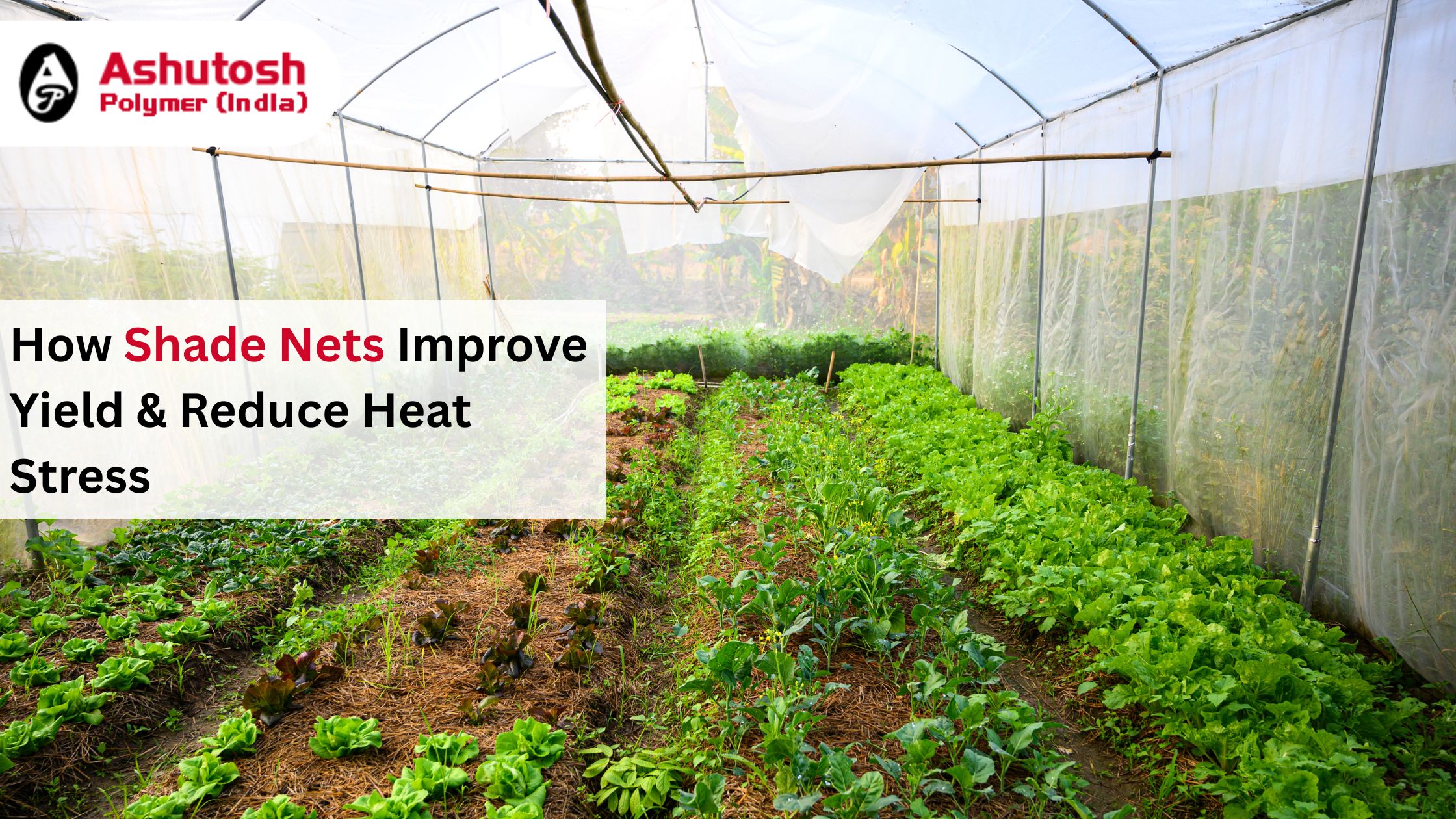
How Shade Nets Improve Yield & Reduce Heat Stress
Rising temperatures, unpredictable weather, and intense sunlight are becoming major challenges for farmers across India. Heat stress not only reduces crop yield but also affects quality, water consumption, and overall farm profitability. This is where shade net farming has emerged as a reliable and cost-effective solution.
At Ashutosh Polymer, we manufacture high-quality agricultural shade nets designed to protect crops, reduce heat stress, and improve productivity across seasons.
Introduction to Shade Net Farming
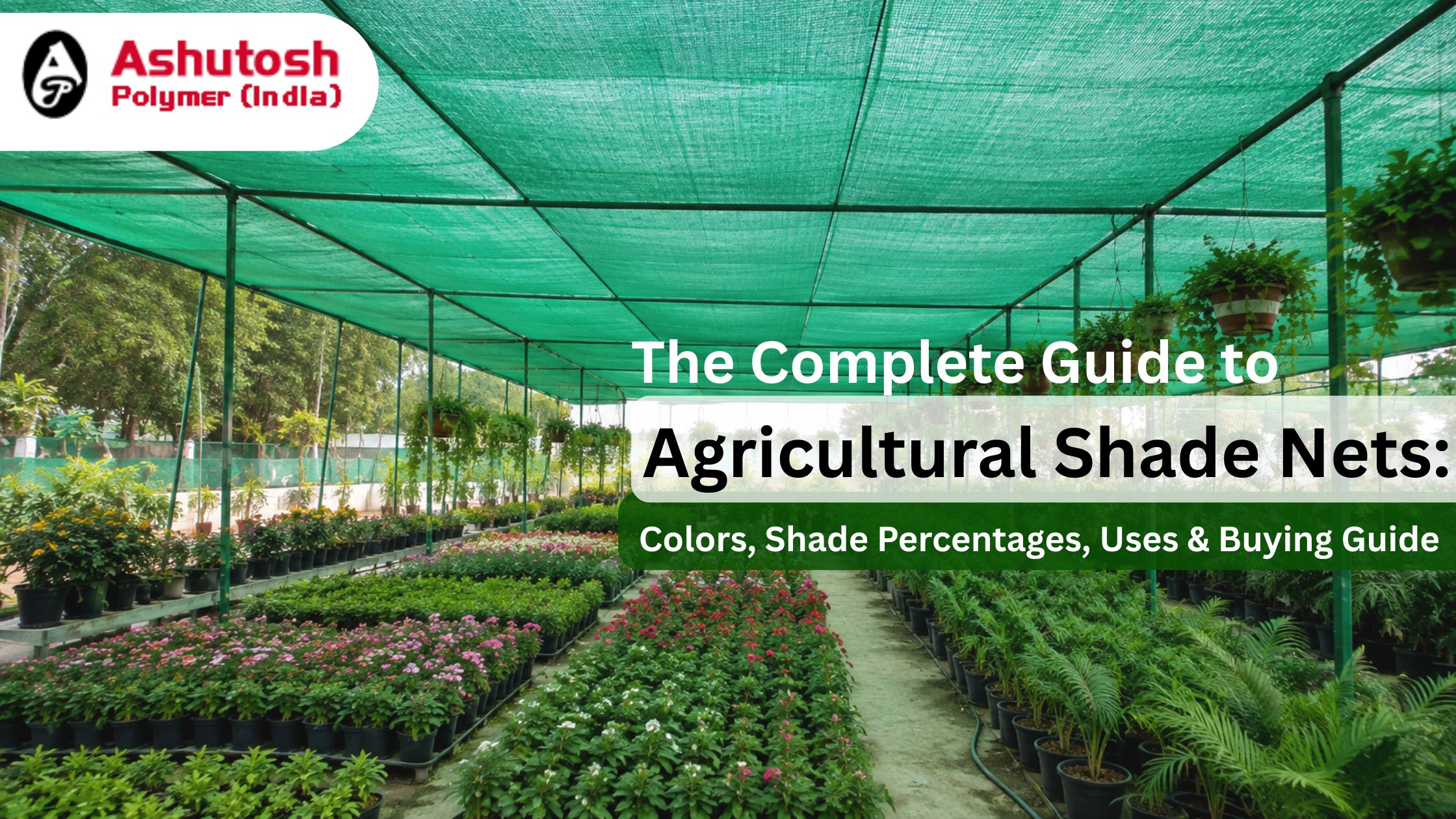
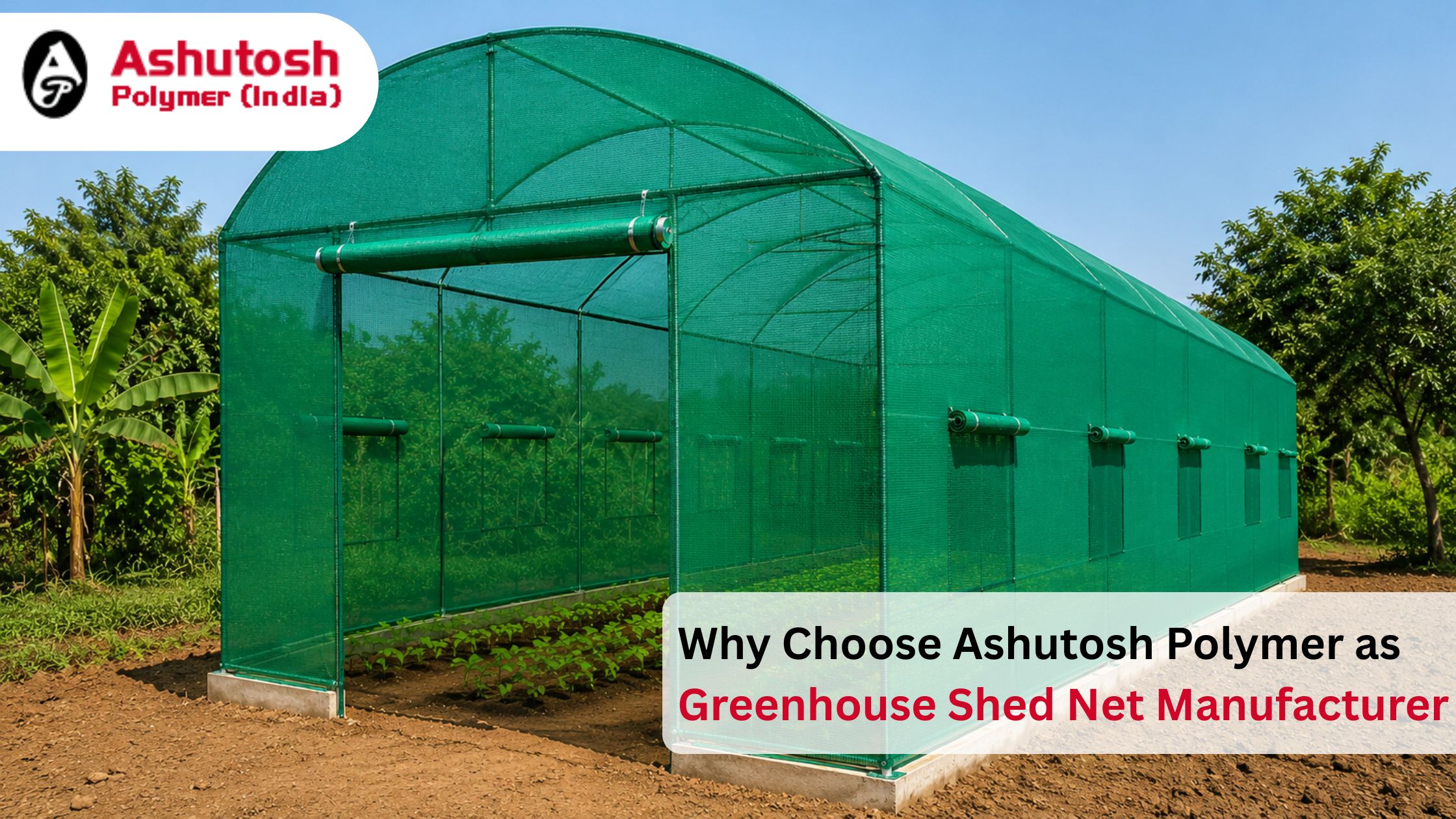
Shade net farming is a form of protected cultivation where crops are grown under specially designed UV-stabilized shade nets. These nets regulate sunlight, temperature, and airflow, creating a favorable microclimate for plant growth.
Unlike open-field farming, shade nets allow farmers to control environmental stress factors without heavy investment like polyhouses. This makes shade nets an ideal choice for vegetables, fruits, flowers, and nurseries.
What Is Heat Stress in Crops?
Heat stress occurs when temperatures rise beyond a crop’s tolerance level for extended periods. This leads to:
- Leaf wilting and scorching
- Flower drop and poor fruit setting
- Reduced photosynthesis
- Lower yield and inferior quality
Crops such as tomato, capsicum, cucumber, and leafy vegetables are particularly sensitive to extreme heat, making protection essential during summer months.
How Shade Nets Reduce Heat Stress
Shade nets act as a physical barrier between crops and harsh sunlight. By diffusing solar radiation, they reduce direct heat exposure and prevent sunburn on leaves and fruits.
Key benefits include:
- Reduction in temperature by 4–8°C under the net
- Protection from heat waves and hot winds
- Improved plant comfort during peak summer
Ashutosh Polymer shade nets are engineered to provide uniform shading while maintaining proper airflow, ensuring crops stay healthy even in extreme conditions.
Improvement in Crop Yield Using Shade Nets
One of the biggest advantages of shade net farming is improved yield consistency. When plants are protected from stress, they can focus energy on growth and fruit development.
Farmers using shade nets often experience:
- Better flowering and fruit retention
- Uniform crop size and color
- Extended harvesting periods
- Higher marketable yield
By minimizing environmental stress, shade nets help unlock the full genetic potential of crops.
Microclimate Control Under Shade Nets
Shade nets help create a balanced microclimate by regulating:
- Light intensity
- Temperature
- Humidity
- Air circulation
This controlled environment enhances photosynthesis and nutrient absorption. UV-stabilized shade nets from Ashutosh Polymer ensure long-term performance without degradation, even under continuous sun exposure.
Shade Percentage Selection for Maximum Yield
Choosing the right shade percentage is critical for crop success:
- 35% Shade Net: Ideal for leafy vegetables and nurseries
- 50% Shade Net: Suitable for vegetables like tomato, capsicum, and cucumber
- 75% Shade Net: Used for delicate plants, floriculture, and extreme heat zones
Ashutosh Polymer offers expert guidance to help farmers select the right shade percentage based on crop type and regional climate.
Role of Shade Net Colors in Heat Management
Different shade net colors influence light quality and heat control:
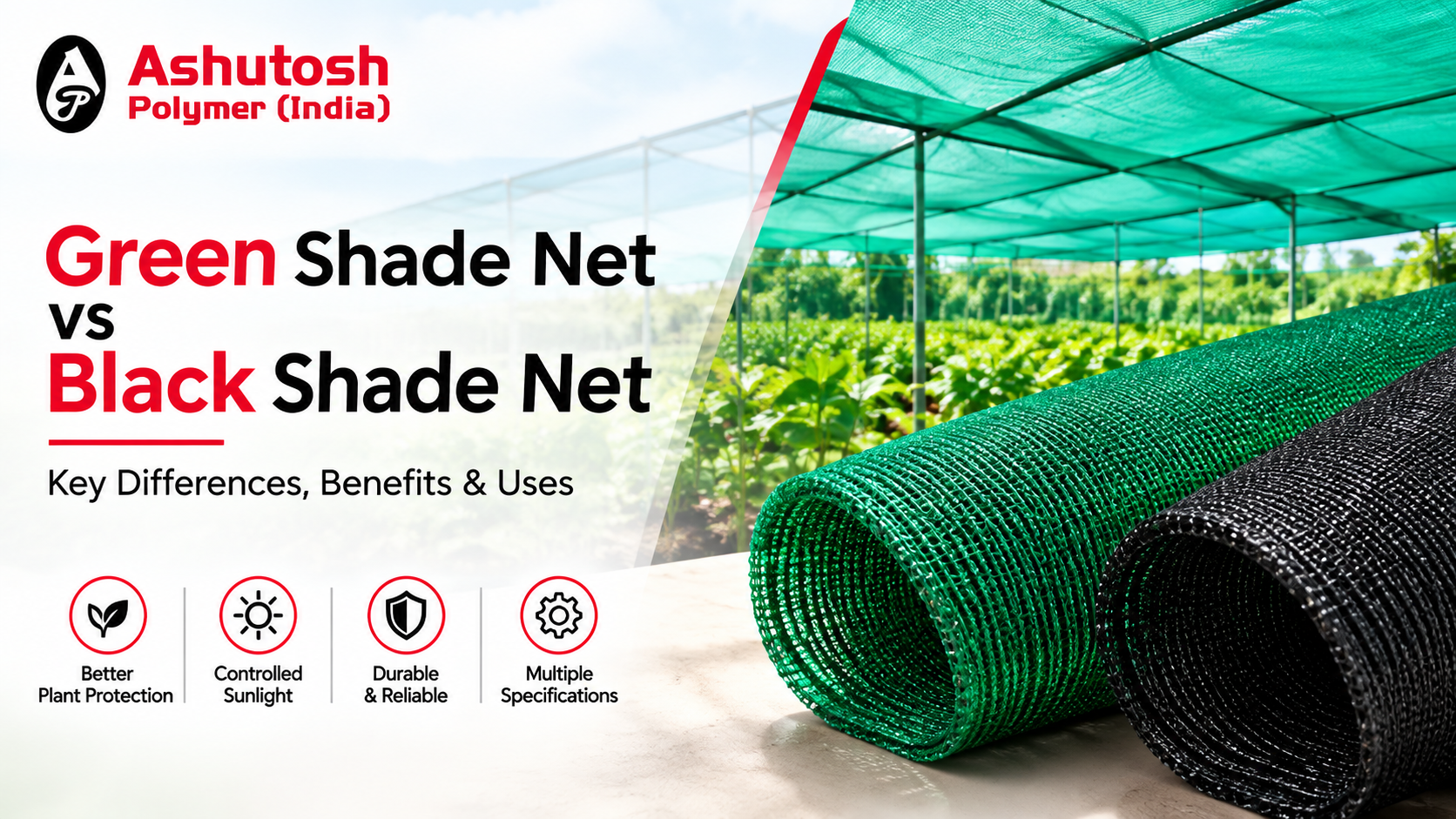
- Green Shade Net: Balanced light diffusion, widely used in vegetable farming
- Black Shade Net: Maximum heat reduction and strong shading
- White Shade Net: Reflects sunlight, maintains cooler conditions
Selecting the right color helps optimize plant growth while effectively reducing heat stress.
Water Conservation Benefits
Water scarcity is another major concern for modern agriculture. Shade nets significantly reduce water loss by minimizing evaporation from soil and plants.
Benefits include:
- Reduced irrigation frequency
- Better soil moisture retention
- Improved water-use efficiency
This makes shade net farming a sustainable choice, especially in water-stressed regions.
Crops That Perform Better Under Shade Nets
Shade nets are suitable for a wide range of crops, including:
- Vegetables: Tomato, capsicum, cucumber, spinach, lettuce
- Fruits: Strawberry, papaya
- Floriculture: Rose, gerbera, orchid
- Nurseries: Saplings and grafted plants
Custom shade net solutions from Ashutosh Polymer support diverse agricultural needs.
Economic Advantages for Farmers
From a financial perspective, shade nets offer excellent returns:
- Lower crop losses
- Reduced water and fertilizer usage
- Improved yield and quality
- Faster return on investment (ROI)
With minimal maintenance and long service life, shade nets are a smart investment for both small and large farmers.
Why Choose Ashutosh Polymer for Shade Nets?
As a trusted shade net manufacturer, Ashutosh Polymer delivers quality, durability, and performance.
Why farmers choose us:
- UV-stabilized, high-GSM shade nets
- Multiple colors and shade percentages
- Custom sizes for different farming needs
- Reliable support and consistent quality
Our shade nets are designed to withstand Indian climatic conditions while ensuring long-term crop protection.
Conclusion
Heat stress is no longer an unavoidable challenge in farming. With the right shade net solution, farmers can protect crops, improve yield, conserve water, and increase profitability.
Looking to buy shade net solutions that deliver real results? Choose Ashutosh Polymer, your reliable partner in shade net farming.
Contact us today to get expert guidance and premium agricultural shade nets tailored to your crops.
Frequently Asked Questions (FAQs)
Q1. How do shade nets reduce heat stress in crops?
Shade nets diffuse harsh sunlight and lower surrounding temperatures, protecting crops from heat damage and moisture loss.
Q2. Which shade net percentage is best for vegetables?
A 35%–50% shade net is ideal for most vegetables, depending on the crop type and local climate conditions.
Q3. Do shade nets improve crop yield?
Yes, shade nets reduce plant stress, improve flowering and fruit set, and result in higher, more uniform yields.
Q4. Which shade net color is best for heat management?
Green shade nets offer balanced light, black nets reduce maximum heat, and white nets reflect sunlight to keep crops cooler.
Q5. Why choose Ashutosh Polymer for shade nets?
Ashutosh Polymer provides UV-stabilized, durable shade nets in multiple colors and shade percentages for reliable crop protection.